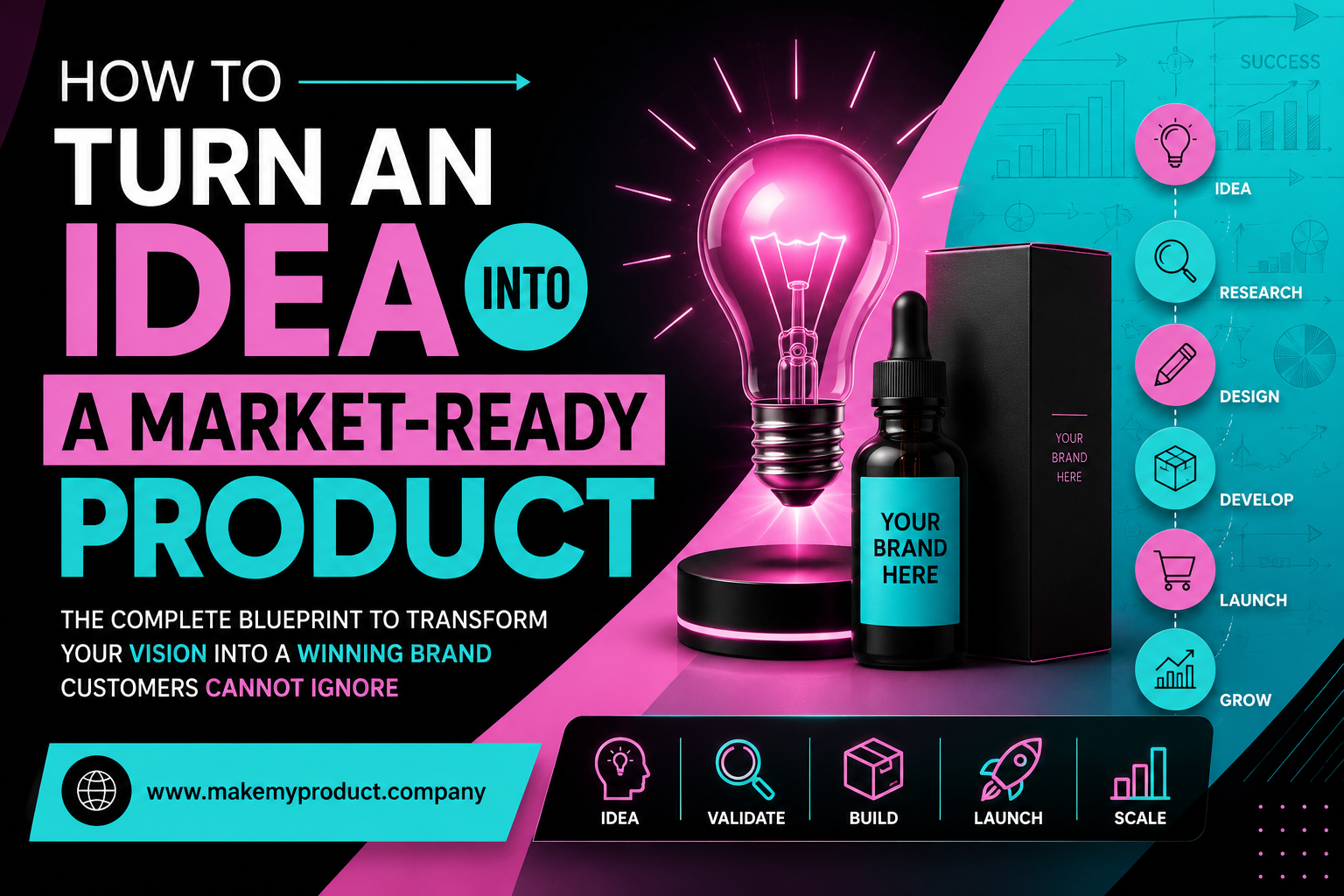



Product Success Strategies: The Hidden Framework Behind Market Leaders Who Win Before Others Even Launch
In today’s hyper-competitive digital economy, most products don’t fail because they are bad. They fail because they are invisible, misunderstood, or launched without a clear success strategy. Markets are no longer forgiving. Attention spans are shorter, competition is global, and customers make decisions in seconds.
Yet, there is a pattern that consistently separates winning products from forgotten ones. It is not luck. It is not timing. It is not even budget. It is product success strategy.
This is the invisible system behind every product that scales, dominates, and survives long-term disruption.
If you are building anything—digital products, physical goods, services, or SaaS solutions—this framework is not optional anymore. It is survival.
Why Most Products Fail Before They Even Reach the Market
The majority of product failures happen long before launch. The problem is not execution alone; it starts at the thinking stage.
Common failure patterns include:
Products built without real demand validation
Features created without understanding emotional triggers
Marketing launched after product development instead of during it
Weak positioning that blends into thousands of similar offerings
No clear differentiation in a crowded marketplace
When a product does not solve a deeply felt problem or create a strong emotional connection, it becomes forgettable. And in modern markets, forgettable means failure.
The Core Pillars of Product Success Strategies
Successful products are not built randomly. They follow structured pillars that align psychology, market demand, and strategic execution.
1. Deep Market Understanding Before Product Creation
Winning products start with understanding not just what people want, but why they want it.
Customers do not buy products. They buy transformation. They buy relief from pain, speed, status, convenience, or emotional satisfaction.
If you cannot define the emotional driver behind your product, you cannot scale it.
Ask critical questions:
What frustration does this solve?
What emotional relief does it provide?
What fear does it eliminate?
What identity does it enhance?
Without these answers, product development becomes guesswork.
2. Positioning That Instantly Separates You From Competition
Positioning is not branding. It is perception control.
Two products can have identical features, but the one with stronger positioning wins every time.
Strong positioning answers:
Why should someone choose this instead of alternatives?
What makes it uniquely necessary?
What category does it dominate?
Weak positioning creates comparison. Strong positioning eliminates comparison.
The moment your product enters a comparison table, you have already lost control of the narrative.
3. Minimum Viable Value, Maximum Emotional Impact
Many products fail because they try to do too much at once. Success comes from clarity, not complexity.
A strong product does one thing extremely well and delivers it with emotional impact.
Instead of building feature-heavy solutions, focus on:
Speed of benefit delivery
Ease of use
Instant emotional satisfaction
Visible results within a short time
If users cannot feel value quickly, retention collapses.
4. Pre-Launch Demand Engineering
One of the most powerful success strategies is building demand before the product exists.
This includes:
Audience building before launch
Content positioning before sales pages
Problem awareness before solution presentation
Community engagement before product release
The most successful companies do not launch products into silence. They launch into anticipation.
If no one is waiting for your product, you are not launching—you are introducing.
5. Trust Architecture That Reduces Buying Resistance
Every purchase decision contains friction. Your job is to eliminate doubt.
Trust is built through:
Social proof
Demonstrated results
Transparent communication
Authority signals
Consistency in messaging
Modern buyers do not need more information. They need more certainty.
If your product does not feel safe to buy, it will not scale.
6. Distribution Strategy is More Important Than the Product Itself
A perfect product with weak distribution will fail. A good product with strong distribution will dominate.
Distribution includes:
Search visibility
Content strategy
Influencer leverage
Platform algorithms
Referral ecosystems
Products do not win because they are better. They win because they are seen more.
Visibility is the new currency of success.
7. Continuous Optimization Based on Real User Behavior
The market is constantly speaking. Successful products listen.
Data-driven improvement includes:
User behavior analysis
Feedback loops
Retention tracking
Drop-off identification
Conversion optimization
A static product becomes irrelevant quickly. A learning product becomes dominant over time.
The Emotional Truth Behind Product Success
Behind every successful product is a deep emotional understanding of human behavior.
People do not wake up wanting products. They wake up wanting:
Less stress
More control
Better identity
Faster outcomes
Higher confidence
If your product connects to one of these emotional drivers, it becomes powerful. If it does not, it becomes optional.
Optional products do not survive competitive markets.
Urgency: The Market Is Moving Faster Than Ever
The biggest risk today is not competition. It is delay.
Every day without strategy:
Competitors refine their positioning
Market expectations rise
Customer attention shifts
New alternatives emerge
The gap between idea and execution is shrinking. What used to take years now takes months. What used to take months now takes days.
If your product strategy is not clear today, it will be irrelevant tomorrow.
Action Steps to Build a Successful Product Strategy Immediately
Start here:
Define the emotional core of your product
Validate demand before building features
Create a clear positioning statement
Build anticipation before launch
Focus on one powerful value outcome
Design trust signals into your messaging
Prioritize distribution from day one
Iterate based on real user behavior
These are not optional steps. They are structural requirements for modern product success.
Final Thought
Product success is no longer about having a good idea. Ideas are abundant. Execution without strategy is noise.
The products that win are those built with precision, emotional understanding, and strategic clarity before they ever reach the market.
In a world overloaded with options, clarity is power. And strategy is what turns clarity into dominance.