

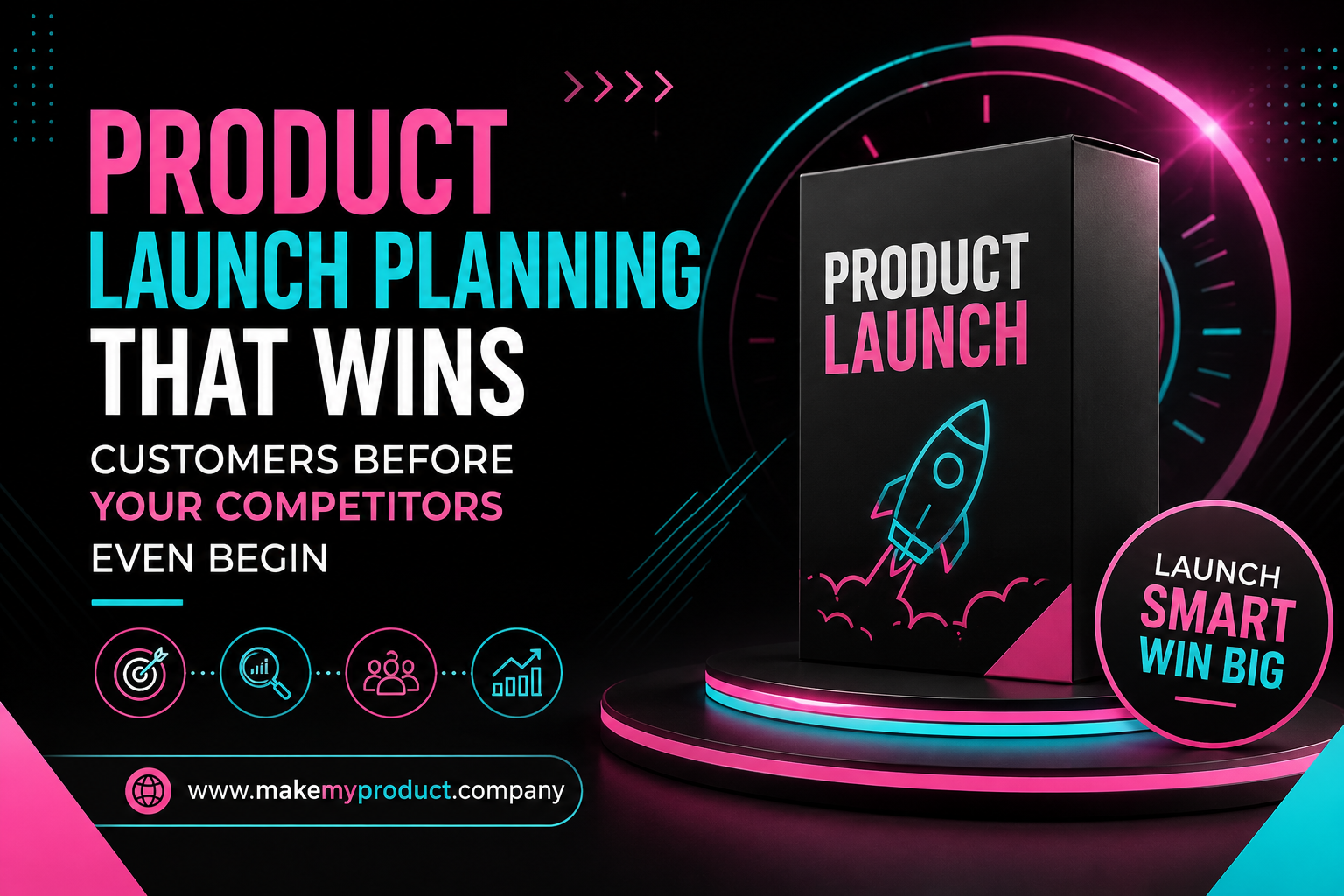
Launching a new product is one of the most exciting milestones for any business, but it is also one of the most challenging. Every year, thousands of products enter the market with high expectations, only to disappear within months because they lacked one critical ingredient: strategic product launch planning. Success is never accidental. The brands that dominate headlines, capture customer attention, and generate consistent revenue understand that every successful launch begins long before the product reaches the market. Planning creates momentum, builds anticipation, and transforms a simple announcement into a memorable event that people cannot ignore. Whether you are introducing a physical product, software solution, digital service, healthcare innovation, fashion collection, furniture line, or consumer brand, the difference between failure and extraordinary success often depends on the quality of your preparation.
Many businesses mistakenly believe that creating an excellent product is enough. Unfortunately, customers cannot buy what they do not know exists. A remarkable product without visibility is like opening a beautiful store in the middle of a desert. Modern consumers are surrounded by endless choices, advertisements, and promotions every single day. Capturing their attention requires a carefully designed strategy that speaks directly to their needs, emotions, and expectations. Product launch planning is about creating a journey where potential customers become interested, excited, engaged, and finally convinced that your product is the solution they have been searching for. The strongest launches build emotional connections instead of simply presenting features. People invest in confidence, trust, and outcomes rather than specifications alone.
The foundation of every successful launch begins with understanding the market. Businesses must research customer pain points, study competitors, analyze industry trends, and identify opportunities that others have overlooked. Instead of asking, “How do we sell this product?” successful companies ask, “What problem does this product solve better than anyone else?” That shift changes everything. Market research reveals the language customers actually use, the questions they ask online, the frustrations they experience daily, and the benefits they value most. This information becomes the foundation for marketing campaigns, website content, social media messaging, videos, email marketing, and sales presentations. When businesses understand their audience deeply, every marketing effort becomes significantly more effective.
Defining the ideal customer is equally important. Every successful product has a clearly defined audience. Trying to sell to everyone usually results in selling to no one. Businesses should create detailed customer profiles based on demographics, purchasing behavior, challenges, interests, motivations, and buying habits. Understanding who the customer is makes it easier to determine where to advertise, what message to communicate, and how to position the product in a competitive marketplace. Customers respond positively when they feel a product has been created specifically for them rather than for the general public.
A compelling value proposition separates market leaders from ordinary businesses. Customers need a clear and immediate answer to one important question: Why should they choose your product instead of another? The answer should focus on transformation rather than features. Features describe the product, but benefits explain how the customer’s life will improve after purchasing it. Strong product launch planning highlights measurable results, emotional benefits, convenience, savings, quality, reliability, and long-term value. When businesses clearly communicate outcomes, customer confidence increases dramatically.
Creating anticipation before launch is one of the most powerful marketing strategies available today. The world’s largest brands rarely introduce products without months of preparation. They release teaser videos, behind-the-scenes content, countdown campaigns, early access opportunities, waiting lists, media announcements, influencer collaborations, educational articles, and exclusive previews. This approach builds curiosity while allowing search engines to index content before the official launch date. The result is greater visibility, stronger engagement, and significantly higher organic traffic when customers begin searching online.
Content marketing plays a central role throughout the launch process. Publishing educational blog articles, informative videos, case studies, buying guides, FAQs, customer success stories, industry insights, and comparison articles positions a business as an authority rather than simply another seller. High-quality content builds trust while improving visibility across search engines, AI-powered search platforms, voice search assistants, and answer engines. Businesses that consistently educate their audience establish credibility long before asking for a purchase.
Search visibility has evolved beyond traditional optimization. Modern businesses must create content that answers complete customer questions naturally while remaining easy for search engines and AI systems to understand. Articles should include conversational language, practical advice, well-organized sections, and comprehensive explanations that satisfy both human readers and intelligent search technologies. Businesses that prioritize clarity, expertise, and helpful information gain greater visibility across Google search results, AI-generated answers, voice assistants, and emerging search platforms.
Email marketing remains one of the highest-performing launch channels. A carefully nurtured email list provides direct communication with interested customers without depending entirely on social media algorithms. Businesses should build excitement through educational newsletters, exclusive previews, launch reminders, special offers, testimonials, and limited-time incentives. Every email should provide value while gradually increasing anticipation until launch day arrives.
Social media marketing should focus on storytelling rather than constant promotion. Share the inspiration behind the product, introduce the people who created it, explain the problems it solves, demonstrate real-world applications, answer frequently asked questions, and celebrate customer experiences. Authentic storytelling creates emotional connections that traditional advertisements often fail to achieve. Customers remember stories because stories create meaning beyond transactions.
Influencer partnerships and industry collaborations can significantly increase launch visibility when aligned with the right audience. Choosing trusted voices within the industry creates credibility while introducing the product to communities that already value expert recommendations. Authentic reviews, demonstrations, interviews, and educational collaborations frequently outperform conventional advertising because they feel more genuine and trustworthy.
Businesses should also prepare their websites thoroughly before launch. Fast loading speeds, mobile responsiveness, clear navigation, optimized product pages, persuasive calls to action, secure payment systems, and informative FAQs improve user experience while increasing conversions. Every visitor who arrives during launch should encounter a professional experience that inspires confidence from the first click.
Measuring performance is equally essential. Successful companies monitor website traffic, search rankings, customer engagement, conversion rates, email performance, advertising effectiveness, customer feedback, and overall return on investment. These insights help refine future campaigns while identifying strengths and opportunities for improvement. Product launch planning should never end on launch day. Continuous optimization transforms initial success into sustainable long-term growth.
One of the greatest mistakes businesses make is treating product launches as one-day events. The strongest brands understand that a launch is the beginning of an ongoing relationship with customers. Continued education, customer support, feature improvements, community engagement, user-generated content, and ongoing marketing ensure that momentum continues long after the initial release. Businesses that maintain consistent communication strengthen customer loyalty while encouraging repeat purchases and referrals.
The business landscape has never been more competitive, but it has also never offered greater opportunities. Customers are actively searching for innovative solutions every day. The companies that prepare strategically, communicate authentically, educate consistently, and deliver exceptional value will always outperform businesses that rely on hope alone. Every successful product begins with a deliberate plan, a clear vision, and the courage to execute with confidence. The question is no longer whether your product deserves attention. The real question is whether your launch strategy is strong enough to earn it. Every day spent delaying strategic preparation is another opportunity handed to your competitors. Start planning today, build anticipation with purpose, and position your product to become the next success story that customers remember, recommend, and trust.