

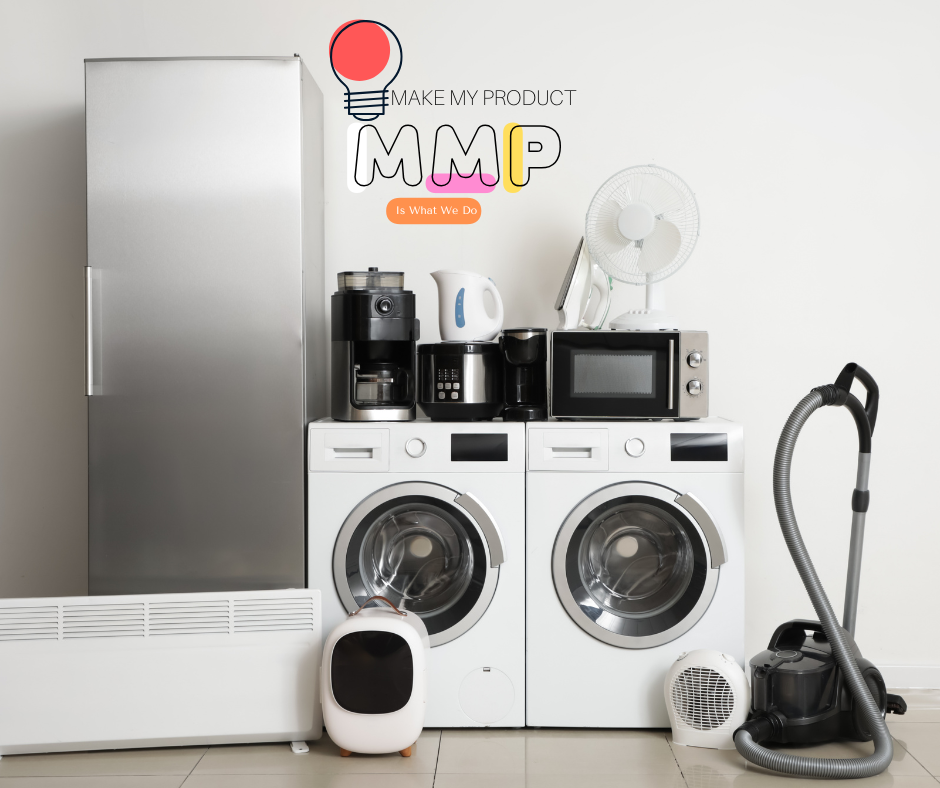
The home appliances industry is entering a defining moment. What people expect from their refrigerators, washing machines, air conditioners, and kitchen equipment is changing rapidly. Technology, sustainability demands, rising energy costs, and smarter lifestyles are reshaping how consumers choose products and how brands must respond. This is not just another year of product upgrades. It is a turning point that businesses, retailers, and consumers cannot afford to ignore.
If companies fail to understand these shifts now, they risk disappearing from the market conversation. If buyers remain unaware, they risk spending on outdated technology while the future is already arriving in stores and online platforms.
This article reveals the most important trends transforming home appliance shopping in 2026 and why acting early matters more than ever.
The rise of smart and connected homes is no longer optional
Smart homes used to be a luxury concept. In 2026, it has become a standard expectation for many buyers. Consumers are increasingly choosing appliances that connect to mobile apps, voice assistants, and home automation systems. Refrigerators can track food usage. Washing machines adjust cycles automatically. Air conditioners learn household behavior patterns.
This shift is driven by convenience, efficiency, and data-driven living. People want appliances that think, adapt, and simplify their lives.
Brands that fail to integrate connectivity, artificial intelligence features, and remote monitoring risk becoming irrelevant in modern households. The next generation of buyers is not just shopping for appliances. They are shopping for intelligent living systems.
Energy efficiency is now a buying decision driver
Global electricity costs and environmental awareness are forcing consumers to become smarter shoppers. Energy-efficient appliances are no longer a niche category. They are becoming the primary choice.
Households are paying closer attention to energy ratings, power consumption, and long-term savings. A refrigerator that saves electricity over five years is now considered a better investment than a cheaper model with higher energy use.
Manufacturers that invest in energy-saving technology, inverter systems, and eco-friendly designs are gaining trust and market share. Retailers who highlight efficiency benefits are also seeing stronger conversions from informed buyers.
This trend will continue accelerating because governments, regulations, and public awareness are pushing the industry toward sustainable solutions.
Artificial intelligence is transforming how appliances operate
Artificial intelligence is becoming a silent partner in modern homes. Appliances now analyze patterns, detect maintenance issues early, and adjust operations automatically.
A washing machine can detect the type of fabric and load size. A robotic vacuum learns the layout of the home. An oven can recommend cooking settings based on the food being prepared.
Consumers are starting to value appliances that reduce effort and save time. The emotional connection to convenience is driving purchase decisions.
For brands, this means innovation cannot slow down. Companies that lead in AI-powered appliances will dominate consumer trust and market attention.
Online shopping and digital research are dominating purchase journeys
One of the biggest transformations shaping the home appliance market in 2026 is how customers shop. The modern buyer rarely walks into a store without prior research. They compare models, read reviews, watch demonstrations, and analyze product specifications online before making a purchase.
This means visibility across search engines, shopping platforms, and digital content channels is critical. Businesses must ensure their products are easy to discover, easy to understand, and easy to trust.
Detailed product information, clear comparisons, real user experiences, and strong digital presence now influence purchasing decisions more than traditional advertising alone.
Companies that ignore digital discovery risk losing customers before they even know those customers were searching.
Compact living is changing appliance design
Urban lifestyles and smaller living spaces are reshaping product innovation. Apartments and compact homes are increasing demand for multi-functional and space-saving appliances.
Consumers are looking for slim refrigerators, combination washer-dryer units, foldable kitchen appliances, and modular designs that fit modern living environments.
Manufacturers that understand space efficiency will win the urban market. The future of appliance design is not only about power and performance but also about flexibility and intelligent space usage.
Health-focused appliances are becoming a priority
Another powerful shift shaping the industry is health awareness. People want appliances that support cleaner living environments and healthier food preparation.
Air purifiers, advanced water filtration systems, sterilization-enabled washing machines, and refrigerators with freshness technology are seeing rapid demand growth.
Consumers are not just buying appliances anymore. They are investing in tools that protect their families and improve daily living standards.
Brands that emphasize health benefits, safety features, and hygienic technology are gaining strong attention in competitive markets.
Sustainability is redefining brand reputation
Sustainability has moved from marketing language to a serious purchasing factor. Buyers want appliances made with recyclable materials, lower carbon footprints, and longer product lifecycles.
Many consumers now research whether brands are environmentally responsible before buying. Repairability, durability, and eco-conscious manufacturing processes are becoming key selling points.
Companies that ignore sustainability risk losing credibility with younger buyers and environmentally aware households.
This shift is not temporary. It is shaping how brands are judged in the global market.
Predictive maintenance is reducing breakdown anxiety
One of the most exciting developments in 2026 is predictive maintenance technology. Smart appliances can now detect potential problems before they turn into costly repairs.
Notifications alert homeowners about filter replacements, unusual energy usage, or system faults early. This builds trust between the product and the user.
Consumers prefer appliances that protect their investment and reduce unexpected disruptions. This trend will significantly influence how future appliances are marketed and designed.
Retail transformation is changing how appliances are sold
Retailers are also adapting quickly. Showrooms are becoming experience centers where customers interact with smart appliances instead of just viewing them on shelves.
Augmented product demonstrations, digital comparison screens, and interactive displays are becoming common in appliance retail environments.
At the same time, e-commerce continues to expand rapidly. Hybrid shopping, where customers research online and buy either online or offline, is becoming the dominant behavior.
Retailers who combine digital convenience with real-world experiences are gaining the strongest advantage in 2026.
Why businesses must act now
The home appliance industry is not slowly evolving. It is rapidly transforming. Companies that delay innovation, digital strategy, or sustainability investments will struggle to remain competitive.
Retailers must upgrade their approach to customer education and product presentation. Manufacturers must invest in smarter, more efficient technologies. Content creators and marketers must communicate value clearly and build trust through information-rich experiences.
Those who act early will capture the attention of tomorrow’s buyers. Those who hesitate risk being left behind as the market moves forward without them.
The question is no longer whether the industry will change. The real question is who will lead this transformation and who will struggle to catch up.