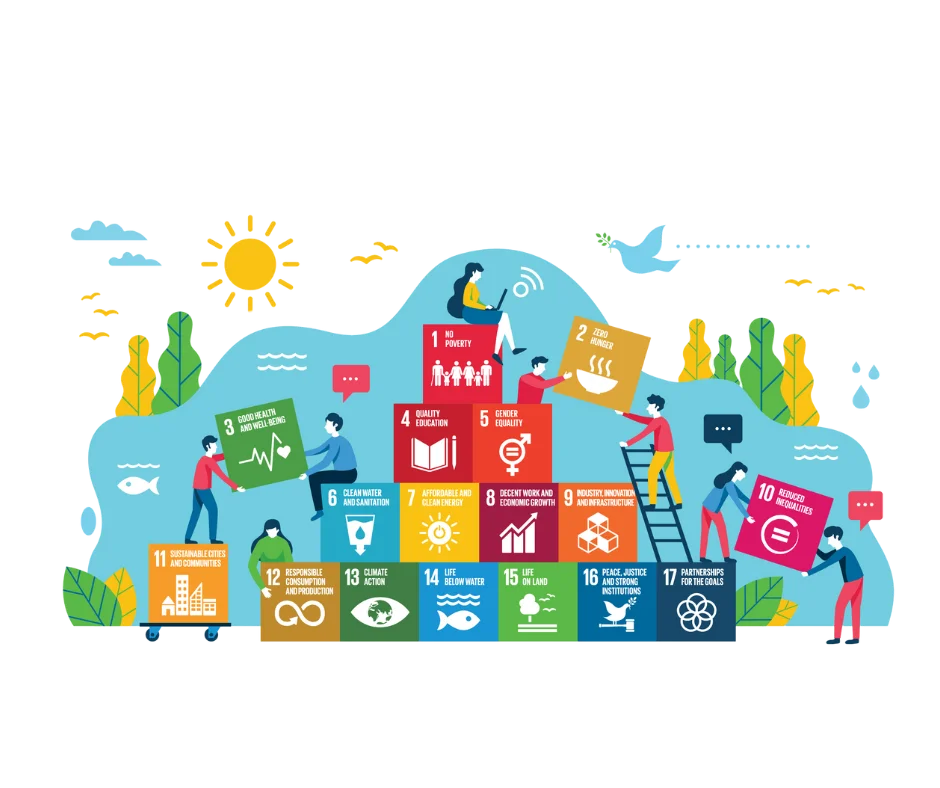


some boundaries are not just personal lines you draw — they are walls built by systems, history, culture, and power. they are invisible, deeply embedded, and often mistaken for “normal life.” these boundaries do not simply limit behavior; they shape dreams, control access, and determine who gets to rise and who is kept behind. if you do not recognize them, you may spend your entire life blaming yourself for failures that were never truly your fault.
structural boundaries live inside institutions, economies, education, workplaces, families, and even digital spaces. they tell certain people they belong while silently pushing others aside. they operate through rules, policies, traditions, and expectations that appear neutral but are anything but fair. when opportunities seem out of reach, it is rarely because of lack of ability alone — it is often because of barriers engineered long before you arrived.
these boundaries feel real because they are reinforced daily. a child from a low-income background is told to “work harder” while attending underfunded schools. a young entrepreneur is dismissed because they lack connections. a woman is paid less than a man for the same work. a creative voice is ignored because it does not fit mainstream standards. none of this is coincidence — it is structural.
the danger is when people internalize these limits and call them destiny. they begin to believe that their position in life is fixed, that ambition is foolish, that resistance is useless. this is exactly how structural boundaries survive. they thrive when people surrender, stay silent, or assume change is impossible.
but boundaries can be challenged. history proves that every major shift — civil rights, gender equality, workers’ rights, digital innovation, and social mobility — came from people who refused to accept structural limits as permanent. they did not wait for permission. they organized, spoke out, built alternatives, and forced systems to change.
the first step is awareness. you must learn to distinguish between personal limits and systemic barriers. ask hard questions. why is this rule in place? who benefits from it? who is harmed by it? who created it? once you see the structure, you gain power over it.
the second step is strategy. resisting structural boundaries does not mean random rebellion. it means building skills, forming communities, leveraging resources, and using collective voice. change happens when individuals connect their struggles and move together with purpose.
the third step is action — now, not later. waiting for a “better time” is another structural trap. systems rarely change unless they feel pressure. your voice, your work, your creativity, and your courage matter more than you think.
you are not meant to fit inside walls that were never built for you. you are meant to question them, push them, reshape them, and in some cases, break them completely. boundaries that are structural can be reconstructed into pathways that allow fairness, access, and opportunity.
the urgency is real. every year you remain silent is another year the structure tightens. every time you doubt yourself, the boundary grows taller. every time you act, even small, you weaken the wall.
this is your moment to see clearly, think critically, and move boldly. challenge unfair systems, invest in your growth, support others facing the same barriers, and refuse to accept limitations that were never meant to serve you.
if enough people rise together, structural boundaries transform into bridges. that is where the future belongs.